
Private Heart Tests in Essex & London
If you've been advised to have heart tests, it's natural to have questions. Dr Cook offers rapid access to a full range of private cardiac investigations across Essex and London — from ECGs and echocardiograms to 24-hour monitoring and advanced CT and MRI imaging — always with clear explanation of why each test is recommended and what the results mean for you.
Cardiac testing explained
If your cardiologist recommends heart tests, it's natural to wonder what they involve. In this video, Dr Cook explains the common cardiac investigations — ECG, echocardiogram, Holter and blood pressure monitoring, CT and MRI scans, and more specialised tests — what each one involves, why it might be recommended, and how the results guide your diagnosis and treatment.
In this video, Consultant Cardiologist Dr Christopher Cook explains the common heart investigations — including ECG, echocardiogram, 24-hour Holter and blood pressure monitoring, CT coronary angiography and cardiac MRI — what each test involves, why it might be recommended, and how the results guide diagnosis and treatment. Dr Cook offers rapid private cardiac testing across Essex and London. Book a consultation here.
Investigations
Getting a clear picture of your heart health is the first step toward reassurance and recovery. I use the latest cardiac diagnostic technology to provide a fast and accurate assessment of your symptoms. Whether you need a simple resting ECG or advanced cardiac imaging, my goal is to ensure your experience is comfortable, efficient, and provides the answers you need to move forward with confidence.
-
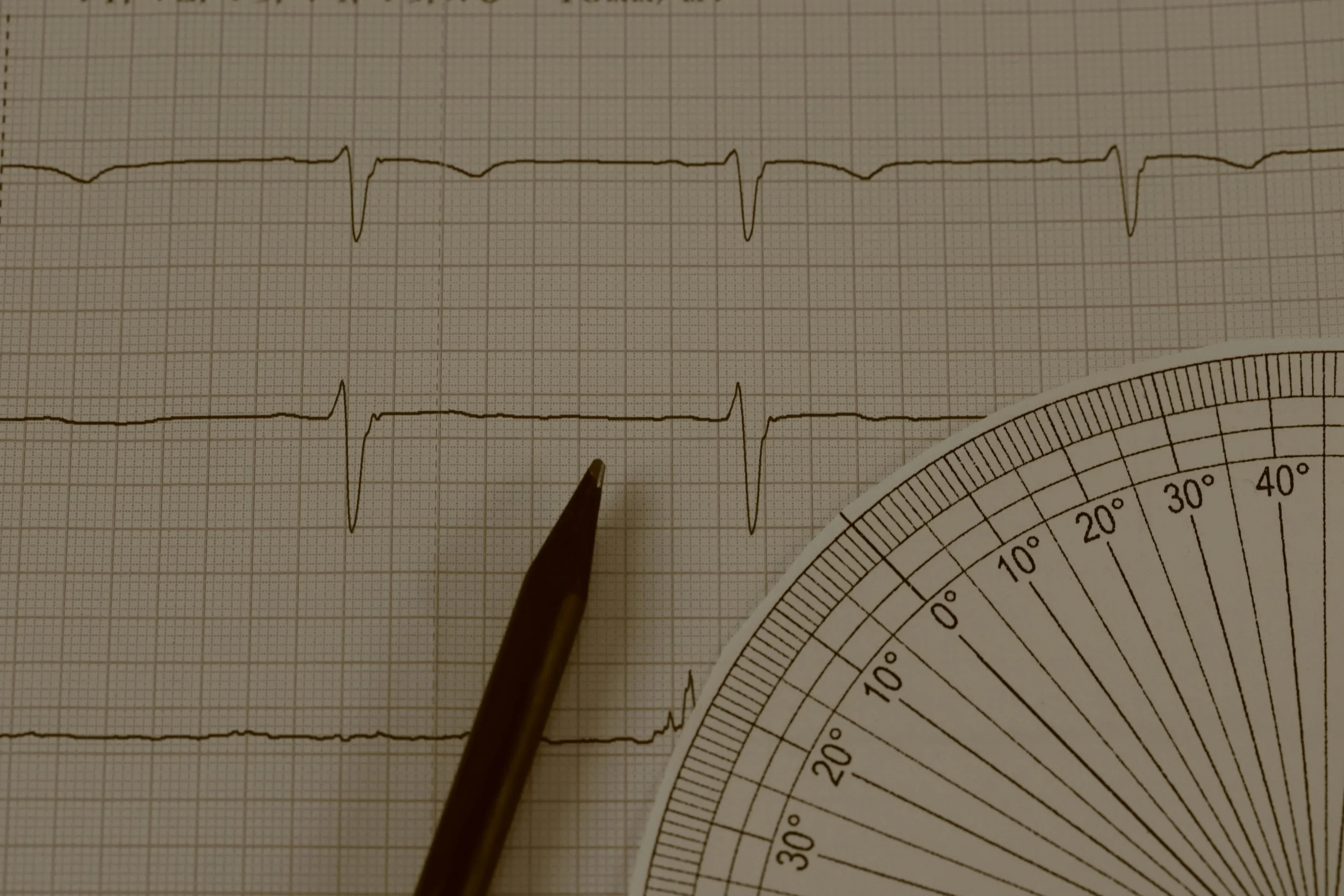
ECG
Rapid resting electrocardiogram (ECG) to record your heart’s electrical activity, providing an essential screen for arrhythmias and irregular heart rhythms
-
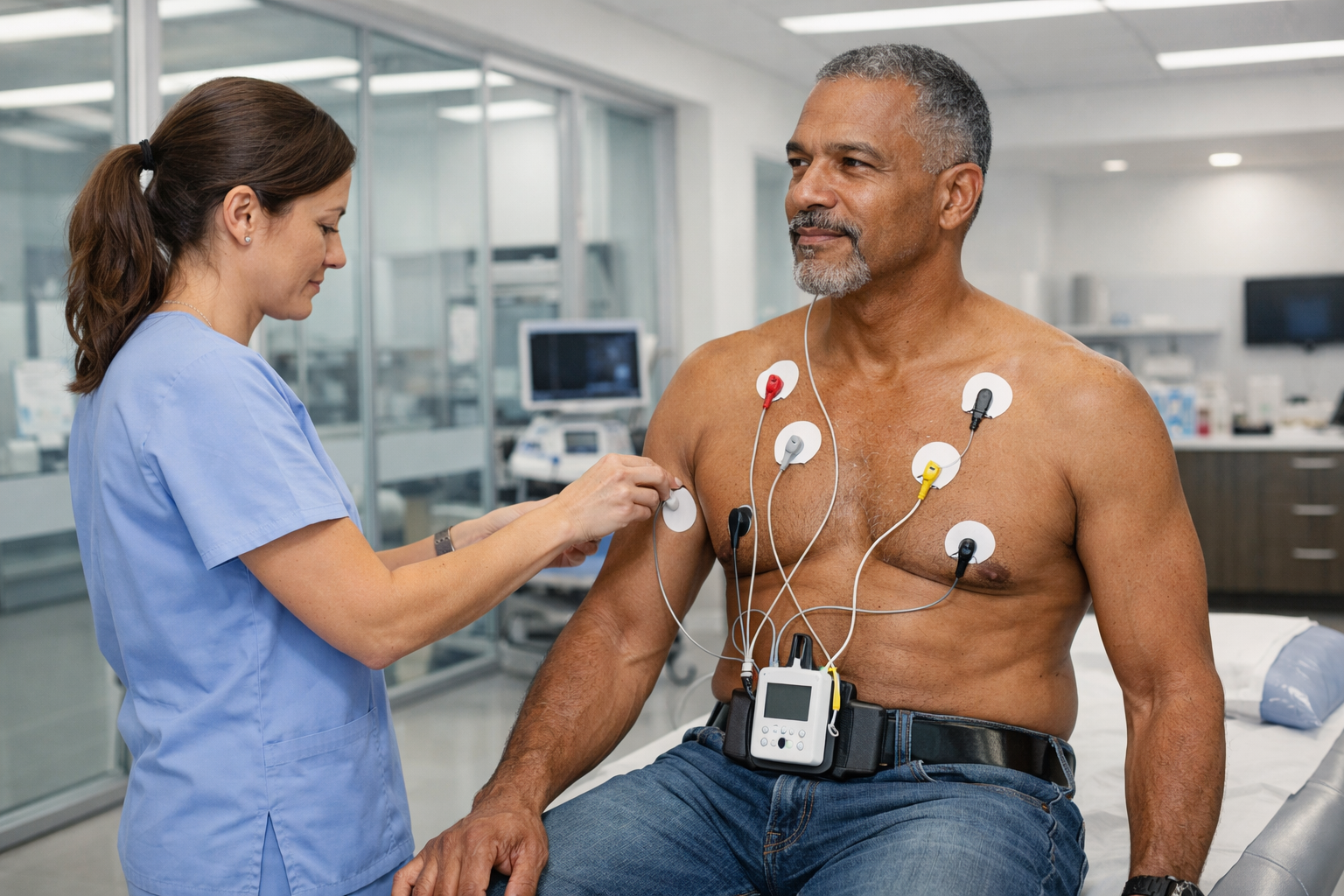
24-Hour Heart Monitor
Specialist ambulatory ECG (Holter) monitoring to record heart activity over 24 hours, used to investigate symptoms of palpitations, dizzy spells, or intermittent rhythm issues
-
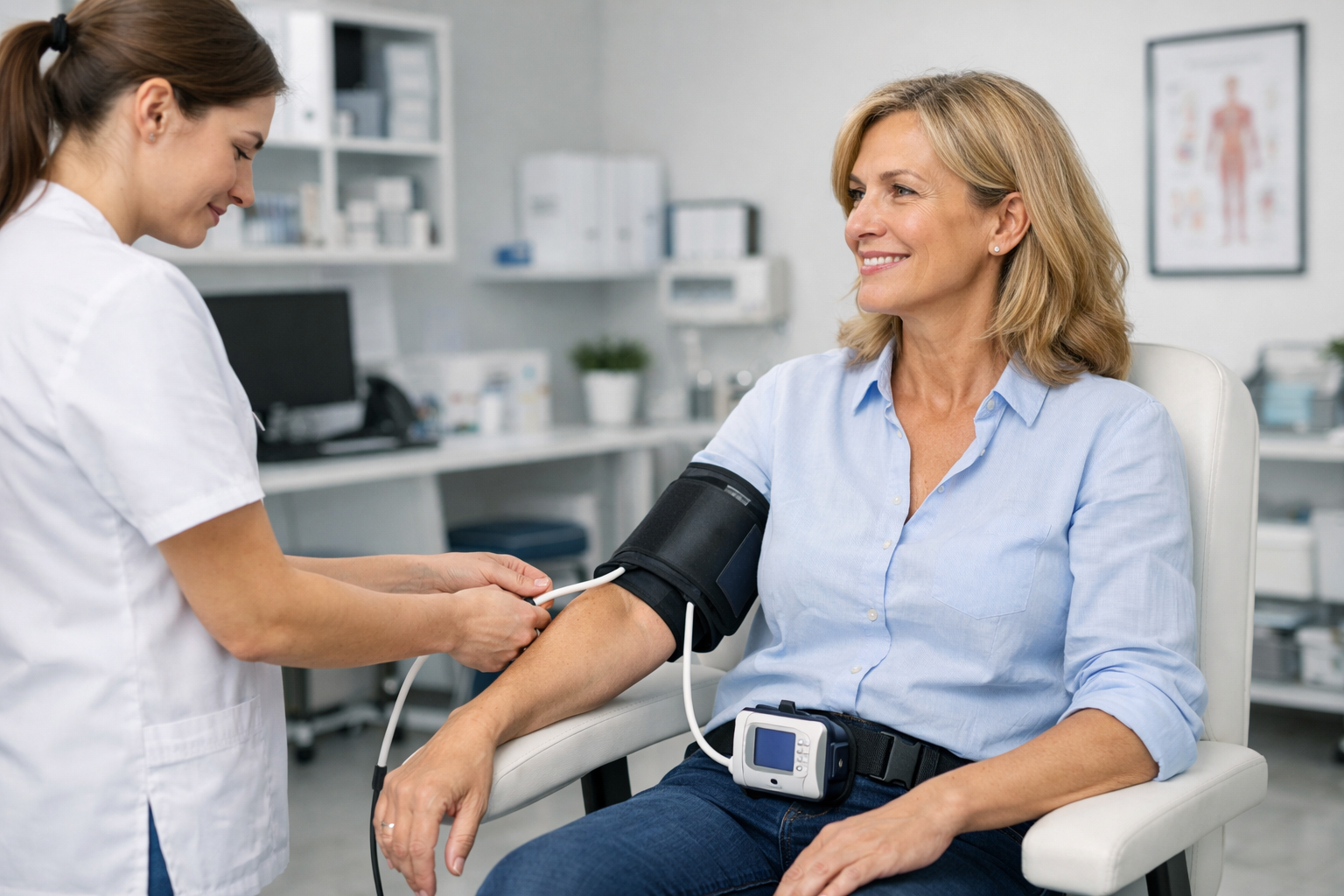
24-Hour Blood Pressure Monitor
Comprehensive ambulatory blood pressure monitoring to accurately diagnose hypertension and assess your heart's response to daily activities and medication
-
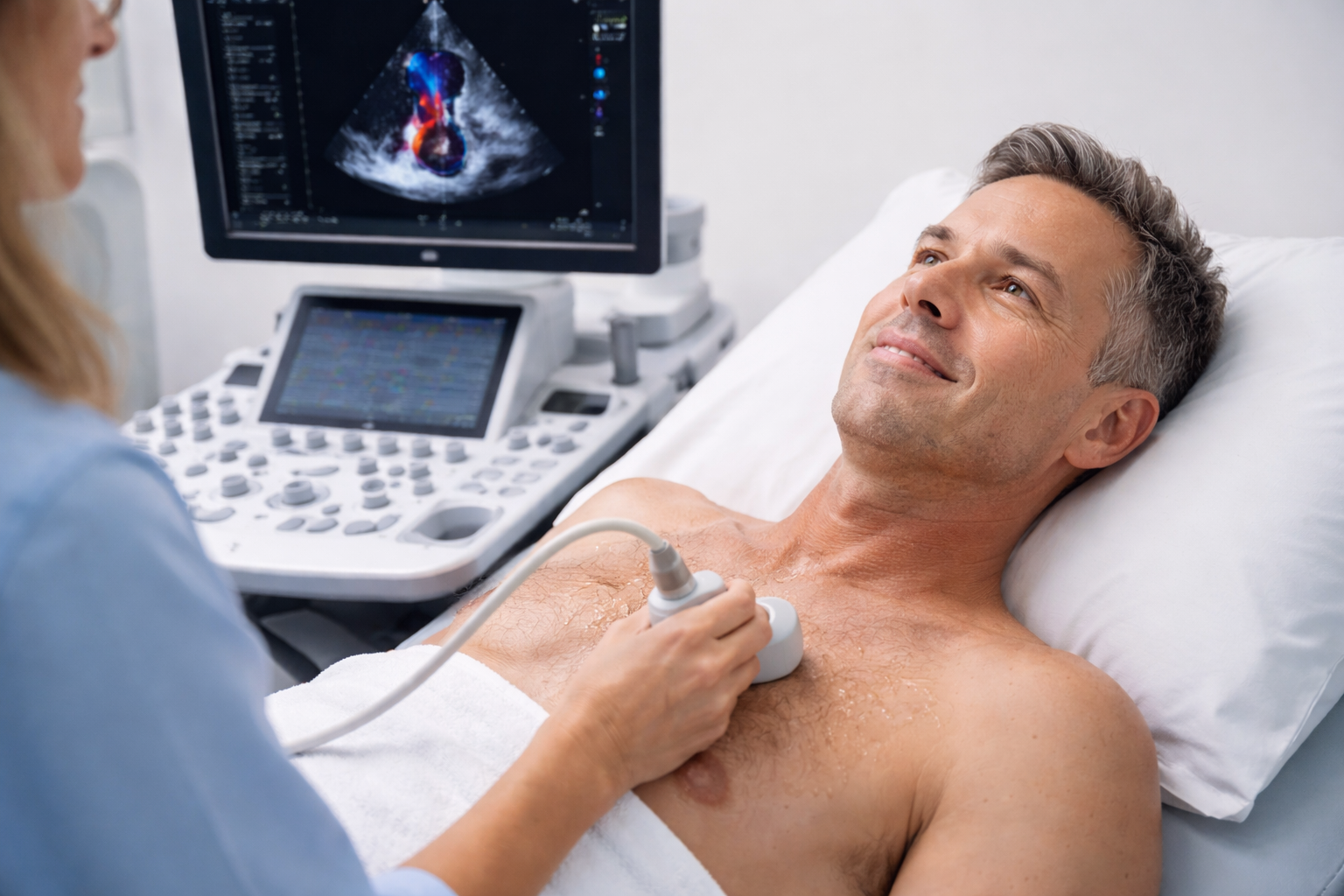
Echocardiogram (Heart Ultrasound)
Specialist cardiac ultrasound assessment to evaluate heart function and valve health, providing a non-invasive and detailed look at your heart’s chambers and blood flow
-
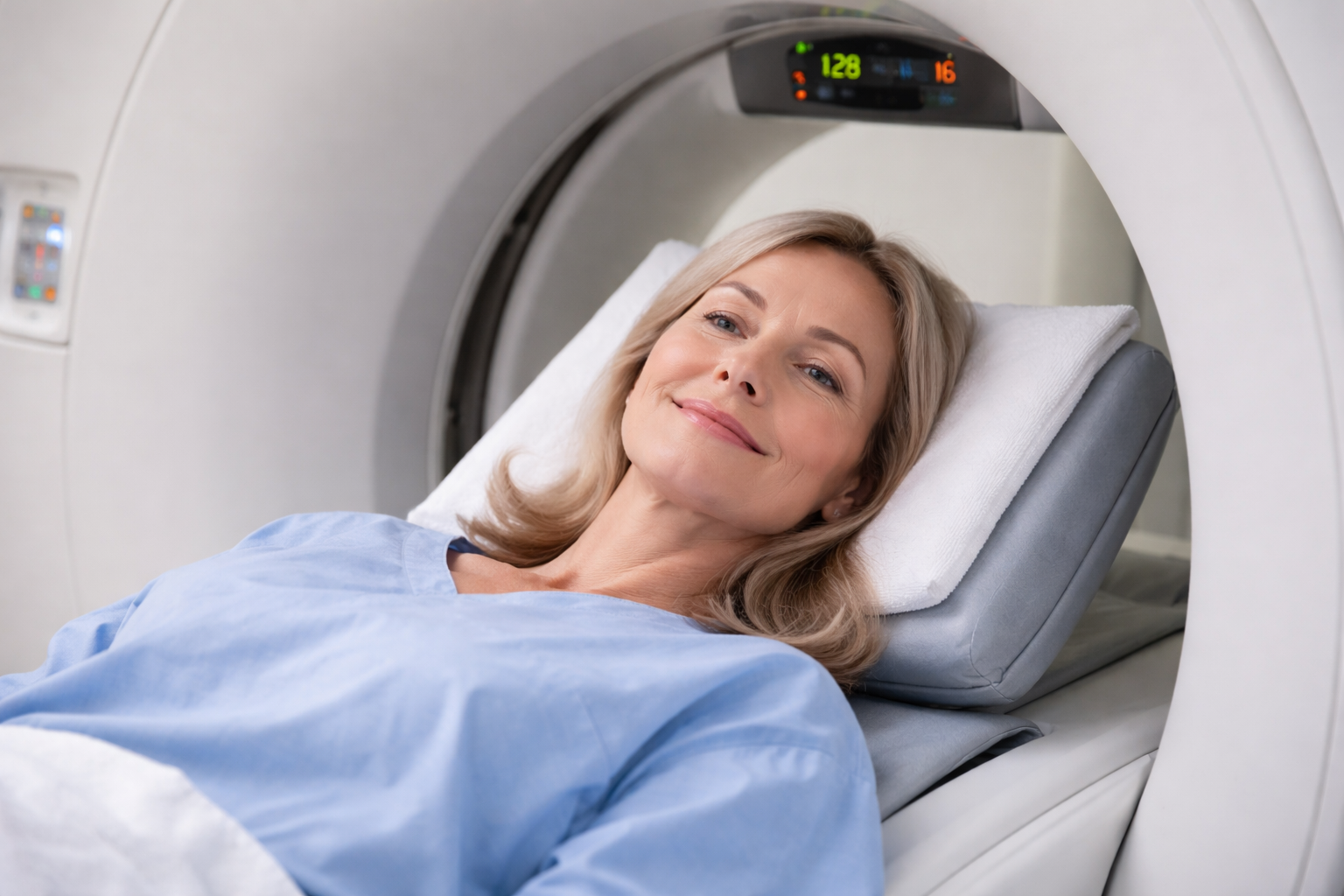
CT Coronary Angiogram
Advanced CT coronary angiography to provide high-resolution imaging of the heart arteries, used to identify coronary artery disease and assess your risk of a heart attack
-
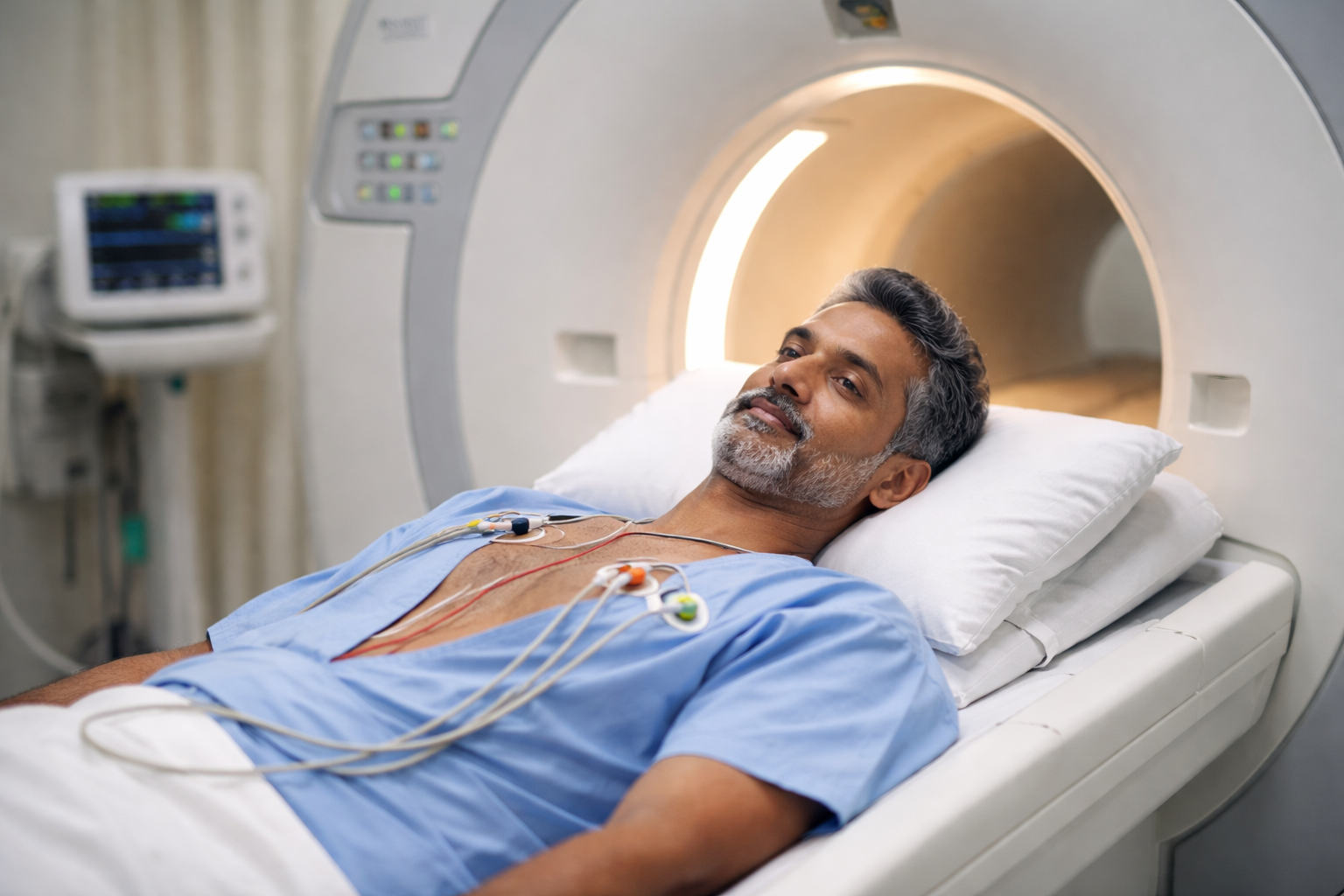
Cardiac MRI
Precise cardiovascular MRI for the detailed evaluation of the heart muscle, used to investigate the underlying causes of heart failure, cardiomyopathy, and prior heart damage
Book Your Consultation
Consultant-led private cardiology in Essex and London. Rapid appointments, no GP referral required.
Self-pay and all major insurers accepted (BUPA, AVIVA, AXA, Vitality, Allianz, and WPA).



Book Online Now
For self-funding patients, an initial consultation is £250 and a follow up consultation is £200.